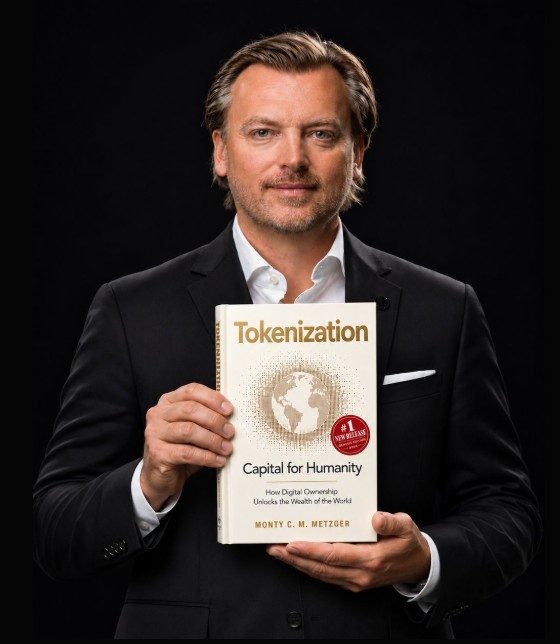
Who owns the copper in a warehouse? For a manufacturer, the answer determines who can sell the metal and who can take delivery. For Monty C. M. Metzger, founder and chairman of Toto Finance, it is a starting point for understanding the Ownership Age. His new book, Tokenization: Capital for Humanity, goes on sale worldwide in hardcover on December 1, 2026.
Subtitled How Digital Ownership Unlocks the Wealth of the World, the book follows copper from a verified deposit to refined metal ready for industry. Metzger examines what happens when the right to that copper can change hands digitally while the metal stays where it is.
“The copper stays physical. The right becomes digital.”
Why copper matters to the Ownership Age
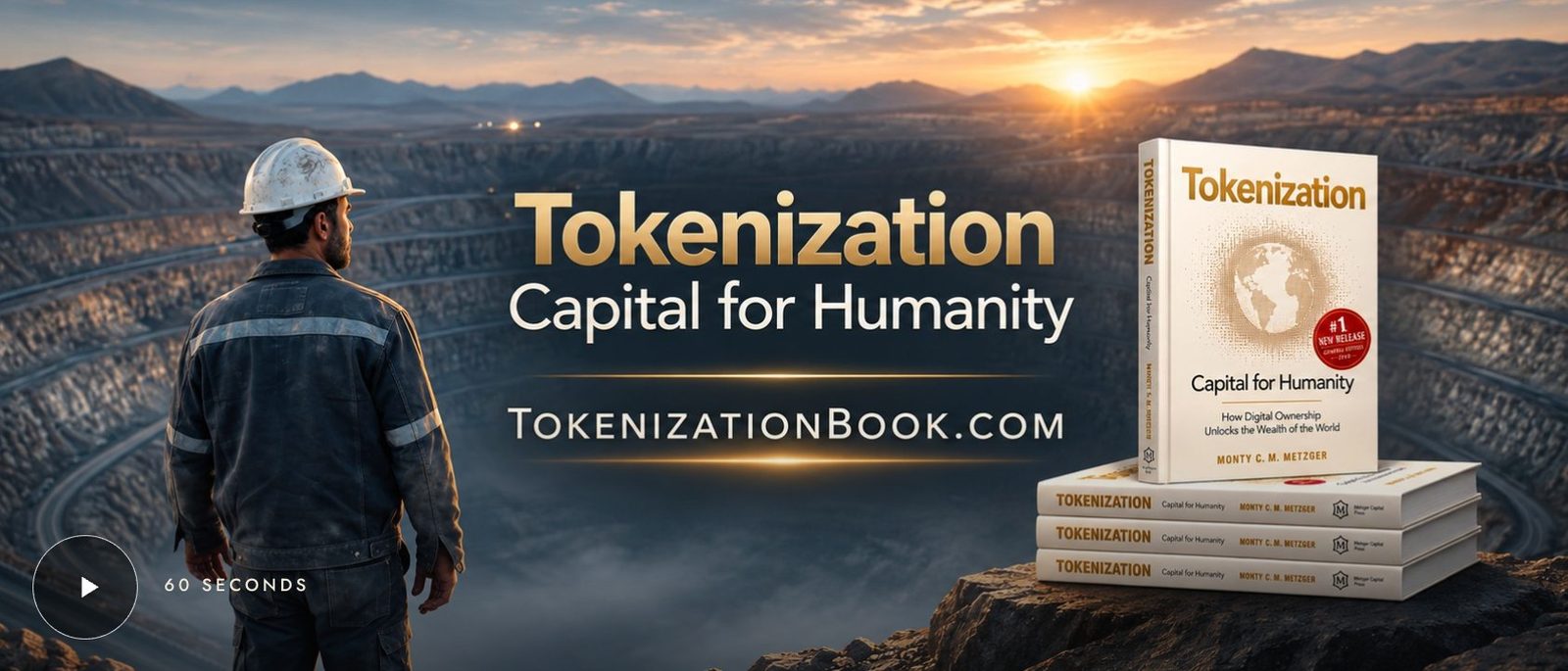
Power grids, electric vehicles and AI data centers all depend on copper. A mine needs financing years before its first shipment. A cable manufacturer needs dependable supply long before the finished cable reaches a customer. In Chapter 8, The Ground Becomes Capital, Metzger brings those two timelines into the same room through his account of a two-day mining workshop in Toronto.
The discussion turns on a decision every mine developer faces. Borrowing adds debt before the mine generates revenue. Selling equity gives up a share of the company. A long-term royalty can commit part of a mine’s proceeds for decades. Metzger explores how a producer could instead sell rights to a defined portion of future copper production. A producer could raise capital while retaining the mine, and an industrial buyer could secure supply in advance.
Metzger calls this third wave of tokenization Matter. For copper, the test is whether a buyer can trace a digital claim back to geological evidence, a delivery agreement or a specific lot of refined metal. Each carries a different risk.
What does a tokenized copper buyer own?
Tokenized copper is a digital token representing a defined right to copper. For refined metal held in a warehouse, that can mean ownership of an allocated quantity and the right to transfer it or take delivery. A contract for future output gives the buyer a claim on metal the producer still has to deliver. A royalty entitles its holder to a payment under the agreement.
This distinction connects the book to Metzger’s work at Toto Finance, a tokenized commodity company. Toto Finance brings that mining perspective to commodities trading. Its immediate focus is copper held in US warehouses. The aim is to make it easier for industrial buyers to purchase the metal and for crypto traders to buy and sell claims on that same copper on-chain.
From copper mine to warehouse
In one of the book’s original sketches, Mine to Market, Metzger traces what a buyer can verify at each stage. Geological studies establish what can be mined economically. Production records show what was extracted. Once refined copper reaches a warehouse, the questions become specific. Which lot backs the claim? Who inspected it? Has it already been pledged? Who can authorize delivery?
A digital warehouse receipt could give a buyer and a lender access to the same answers. The warehouse operator remains responsible for the metal. In Metzger’s account, knowing who must answer for a missing shipment matters as much as how quickly ownership can transfer.
Why Capital for Humanity?
Metzger closes the copper chapter by asking how much of a commodity’s value stays with the people and countries that produce it. A country can have substantial copper reserves and still lack the capital for roads, power and processing equipment. The terms agreed before the first tonne is mined can shape who benefits for decades.
That question gives the book its title. Readers can follow one commodity through the decisions of a mine developer financing production, a manufacturer securing copper and a community whose economic future depends on the terms of the deal.
Metzger Capital Press will release the hardcover Genesis Edition of Tokenization: Capital for Humanity worldwide on December 1, 2026. Booksellers can find it under ISBN 9798997715144. Find the hardcover on Amazon or explore the book at TokenizationBook.com.